
Hip replacement: recovery times and return to activity

This article provides an in-depth overview of Hip replacement recovery, detailing the different phases of recovery, from initial rehabilitation to returning to daily activities and sports. It highlights the importance of a structured rehabilitation program, supervised by healthcare professionals, to optimize recovery outcomes and minimize complications. The article also answers common questions about walking, crutch use, and physical activity post-surgery.
Hip replacement through minimally invasive surgery: the choice for a speedy recovery
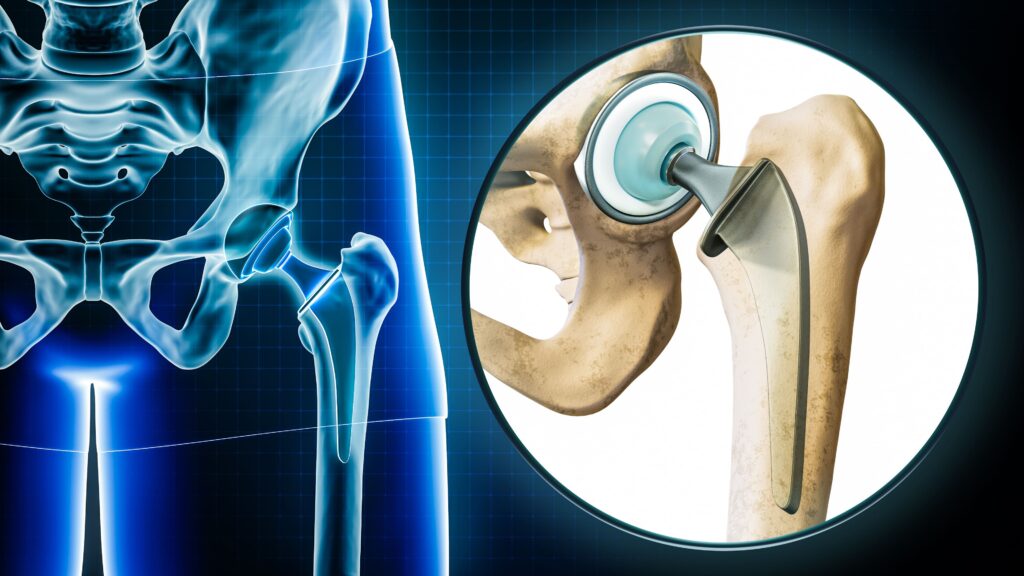
This article explores Hip replacement invasive surgery, focusing on the advantages such as reduced trauma, faster recovery, and fewer complications. It details the components of a modern hip prosthesis and addresses common questions about hip arthritis and the surgical process. The article highlights the benefits of choosing a minimally invasive approach over traditional surgery for better patient outcomes.
Hip replacement: how much does it cost in Italy?
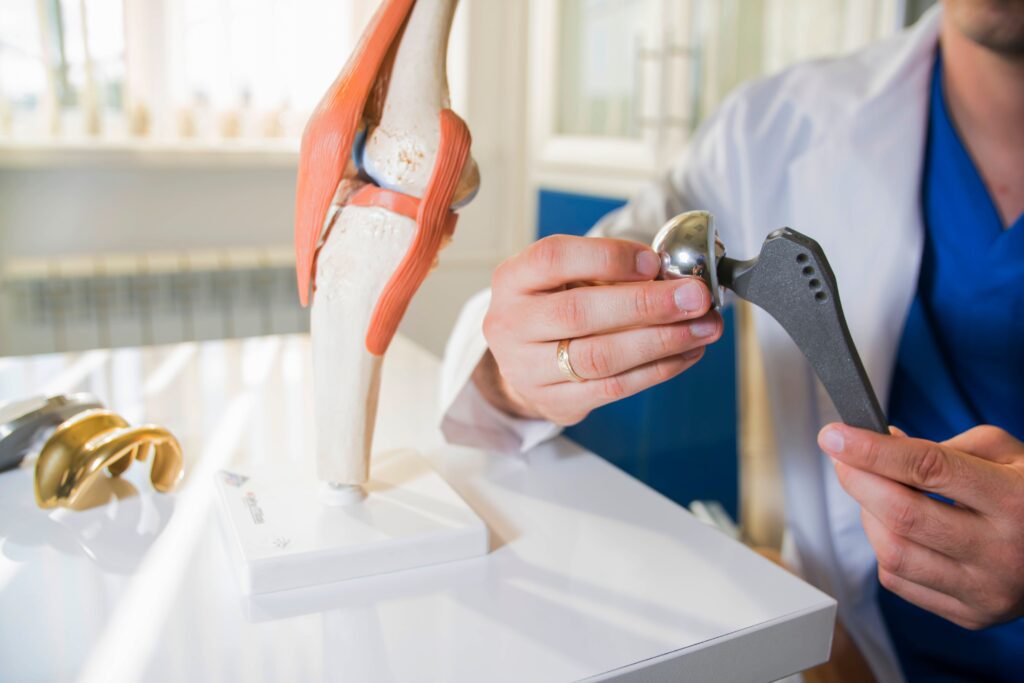
This article examines the hip replacement cost in Italy, comparing the differences between public and private healthcare options. It discusses when hip replacement surgery is recommended, the types of prostheses available, and what patients can expect regarding costs and waiting times. The article also highlights the advantages of choosing private healthcare for faster access to surgery, as well as who can benefit from this procedure.
Hip replacement through minimally invasive surgery: the choice for a speedy recovery
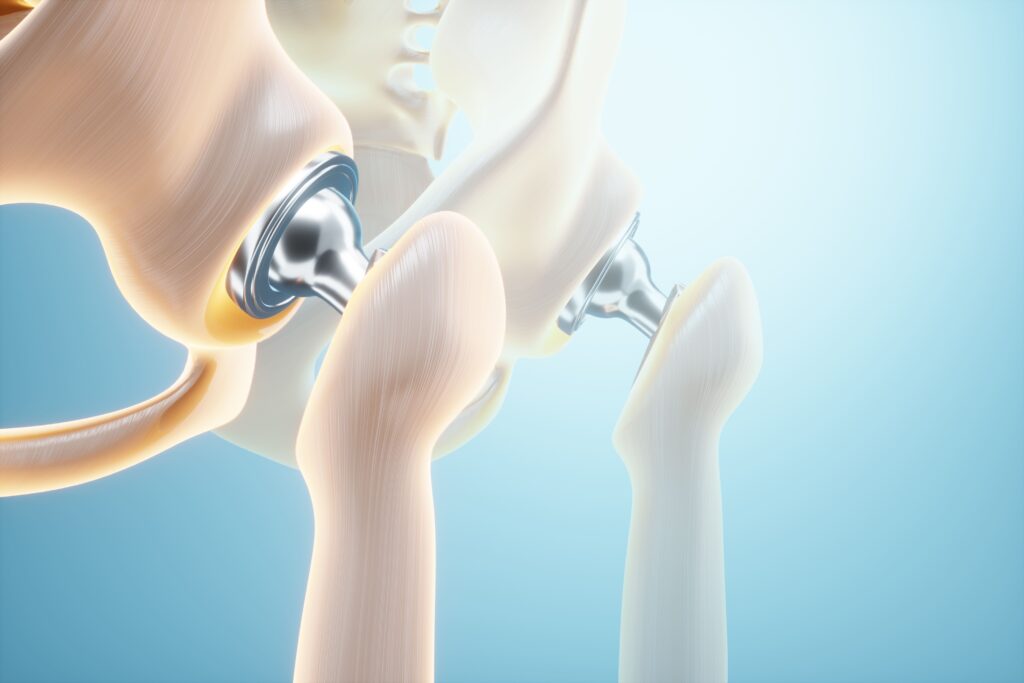
This article explores the advantages of minimally invasive hip replacement surgery, an advanced orthopedic technique that minimizes trauma, speeds up recovery, and reduces the risk of complications. It details the components of a modern hip prosthesis, the procedure’s benefits, and answers common questions about the surgery and hip arthritis.
Hip prosthesis surgery – Where to undergo it?
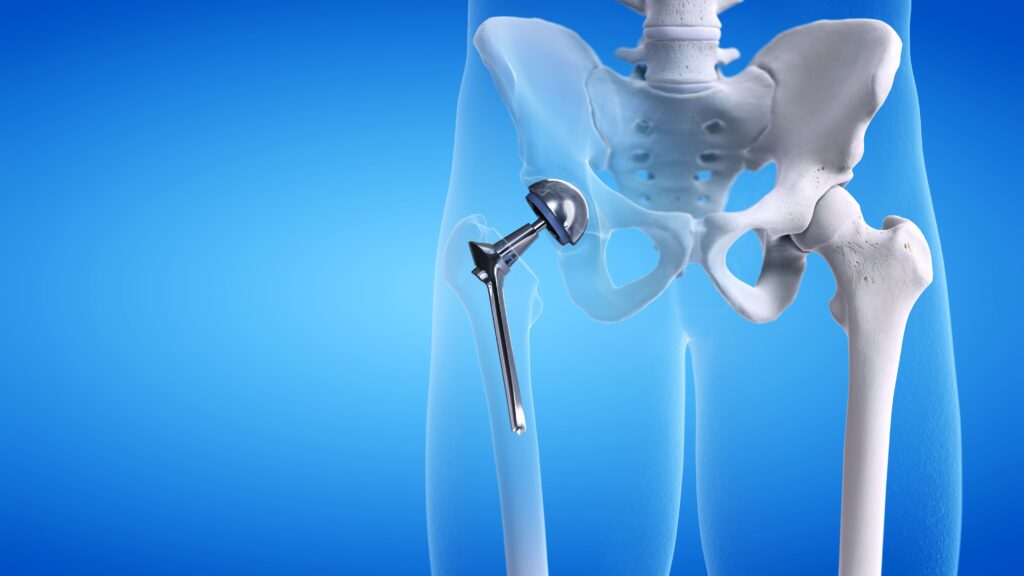
This article discusses the importance of choosing the right center for hip prosthesis surgery. It outlines the conditions that may require the surgery, the composition of the prosthesis, and the benefits of undergoing the procedure at a specialized center. The article also highlights the modern surgical techniques used by Dr. Vanni Strigelli, focusing on personalized patient care, pain management, and rapid recovery.
Hip prosthesis: duration of the operation

The article explores The hip replacement surgery, detailing the procedure’s duration, the advancements in surgical techniques, and the use of modern prostheses. It emphasizes how these innovations lead to longer-lasting implants and quicker recovery times, enhancing the patient’s quality of life. The discussion includes when surgery is recommended and the expected lifespan of the new hip prosthesis, highlighting the personalized approach to ensure optimal outcomes.
State-of-the-art hip prosthesis for extended durability
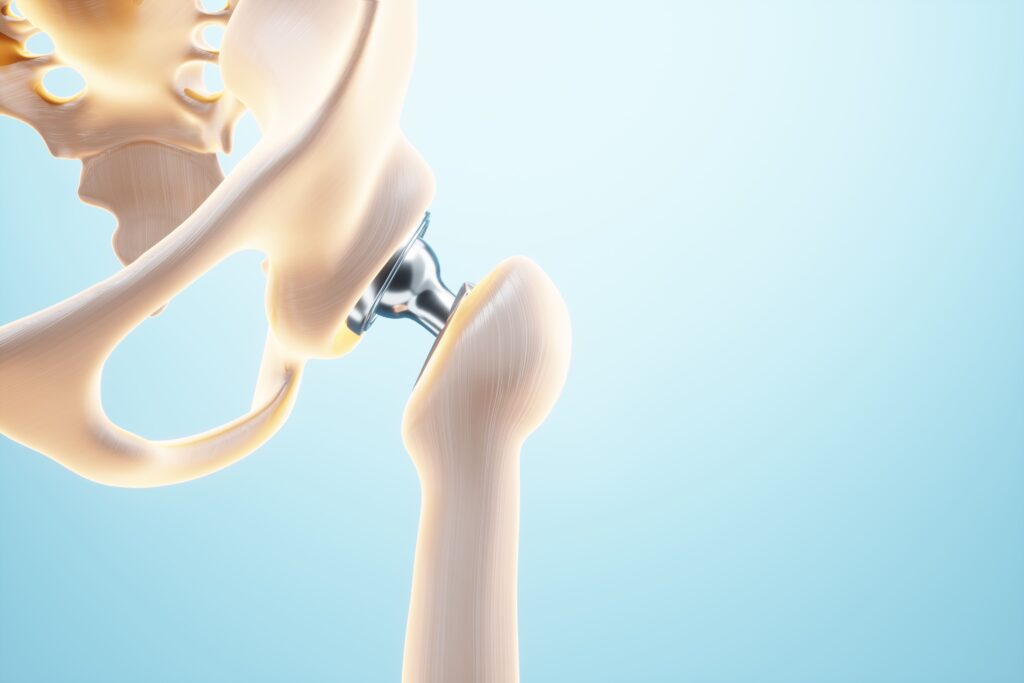
The article delves into the modern developments in the hip prosthesis technology, with a special focus on minimally invasive techniques that enhance recovery speed and increase the longevity of the implants. It underscores the significance of using advanced materials and personalized prostheses to ensure durable and effective outcomes, particularly for younger, active patients. The article also discusses the benefits of smaller surgical incisions and reduced pain, which contribute to a quicker return to daily activities after surgery.